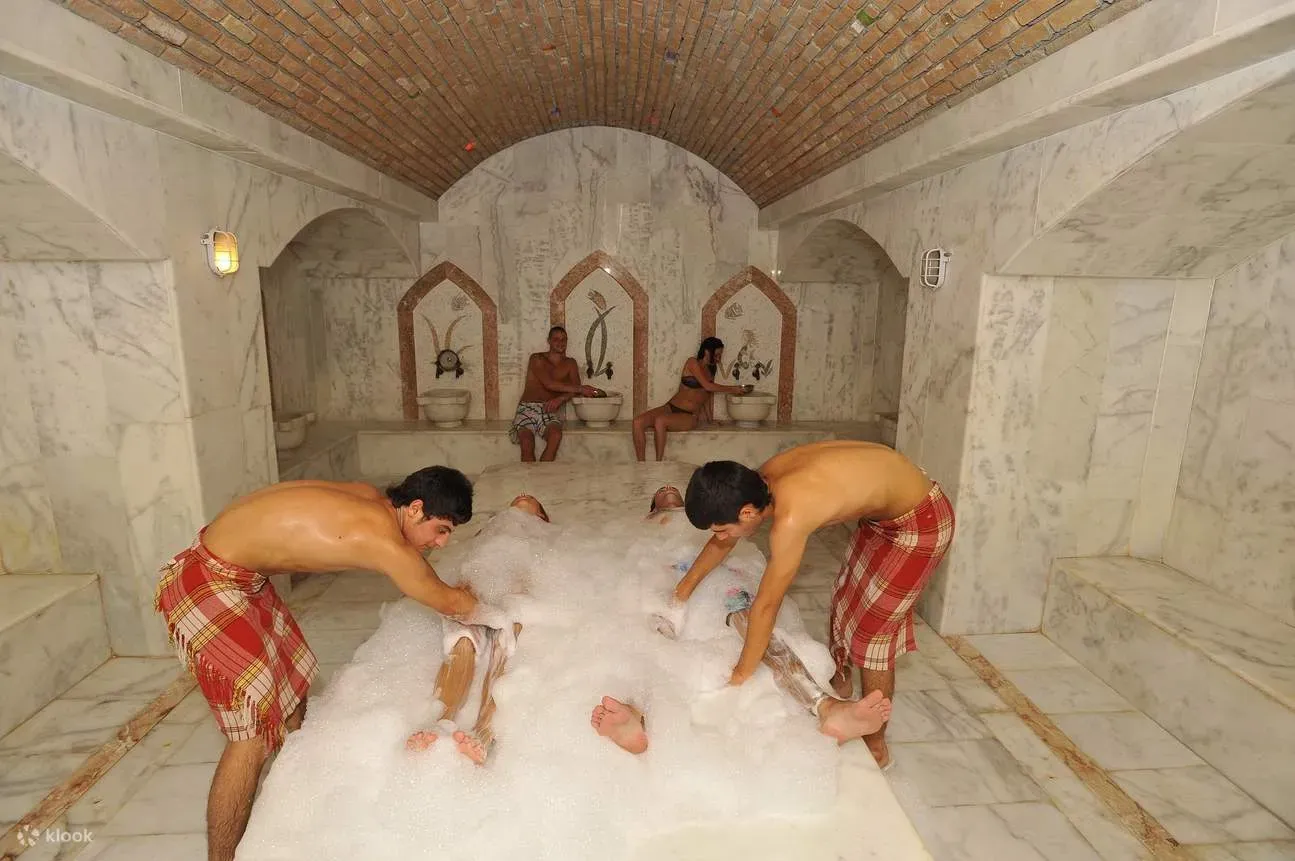
Turkish bath for skin health blends a timeless spa ritual with modern skincare goals, inviting you into a practice that soothes the senses while improving the look and feel of your skin. Originating in the Ottoman hammam tradition, this practice is more than soaking in steam—it’s a structured experience designed to prep the skin, support exfoliation, and become part of your hammam skincare routine. When approached thoughtfully, the routine aligns with contemporary care by enhancing hydration and smoothing texture, and you can notice the benefits of exfoliation, gentle enough for most skin types. The careful sequence of heat, cleansing, and hydration helps the skin absorb products more effectively and supports Turkish bath hydration for skin, contributing to a healthier barrier and a natural glow. With consistent, mindful sessions, you can enjoy improved radiance that complements daily cleansers, serums, and moisturizers, turning this ancient ritual into a reliable source of glow.
In other terms, this age-old steam ritual is a spa-inspired cleansing ceremony, often described as a hamam experience or steam bath for the skin. From a semantic perspective, related concepts include a traditional bathhouse ritual, heat-assisted cleansing, mechanical exfoliation with a kese, and moisture reinforcement through humectants and oils. Practitioners frame it as a holistic skincare routine that combines warmth, cleansing, and nourishment to promote radiance without compromising the skin’s barrier. By using synonyms like hammam tradition, Turkish spa ritual, and steam-based skin care, you can explore how this practice supports hydration, exfoliation, and a luminous complexion.
Turkish bath for skin health: A timeless ritual for modern skin
The Turkish bath for skin health blends an ancient hammam ritual with modern skincare goals. The sequence of heat, cleansing, exfoliation, and hydration primes the skin, opens pores, and prepares it to receive actives more effectively. Within this ritual, Turkish bath exfoliation benefits include a smoother surface, boosted microcirculation, and a brighter complexion that help serums and moisturizers penetrate more effectively.
Used thoughtfully, this ritual can complement a daily skincare routine rather than replace it. It aligns with a hammam skincare routine that emphasizes balance, pacing, and mindful self-care. After the steam and exfoliation, light hydrators and humectants such as hyaluronic acid, plus occlusives, help lock in moisture, supporting long-term hydration and a healthier glow.
Exfoliation mechanics in the Turkish bath: from kese to renewed skin
Exfoliation mechanics are at the heart of the Turkish bath for skin health. The kese is used in deliberate circular motions to remove dull surface cells, reveal a fresher layer, and open pores for deeper penetration of active ingredients. This process epitomizes hammam exfoliation and moisture, balancing cleansing with nourishment rather than stripping.
To maximize benefits while protecting the skin barrier, use warm water, gentle pressure, and avoid aggressive scrubbing, especially if you have active acne, rosacea, or broken capillaries. After exfoliation, rinse thoroughly and follow with a hydrating layer to support continued moisture—again aligning with hammam exfoliation and moisture principles.
Hydration after steam: locking in moisture for lasting glow
Hydration after steam is essential to seal in the benefits and to restore the skin’s lipid barrier. The warm, humid environment softens the outermost layer, making humectants and occlusives more effective. This is why Turkish bath hydration for skin matters, as proper moisture management supports resilience and a healthier surface.
In professional hammam settings, therapists may layer soothing masks or serums after exfoliation to calm the skin and deliver extra moisture. At home, a lightweight gel or serum followed by a nourishing moisturizer can replicate this effect and help sustain the glow, contributing to a balanced complexion.
Hammam skincare routine: integrating exfoliation, hydration, and protection
Integrating the Turkish bath into a hammam skincare routine means planning sessions that suit your skin type, climate, and schedule. Exfoliation and hydration work in tandem, and timing matters for optimizing absorption of actives. Framing each session within a cohesive hammam skincare routine can enhance texture, tone, and overall radiance.
Aftercare helps preserve results: sunscreen, gentle cleansers, and a balanced moisturizer maintain barrier health between sessions. This approach links hammam exfoliation and moisture with daily care to support resilience and long-term skin health.
Glow from Turkish bath: boosting radiance through microcirculation and texture
Radiant skin after a Turkish bath arises from cleaner pores, improved hydration, and enhanced microcirculation. The combination reduces dullness and uneven texture, allowing light to reflect more evenly and creating a natural glow from Turkish bath. As circulation improves, you may notice a more luminous complexion that reads as healthy and energized.
Maintaining this glow requires consistency: regular sessions, daytime sunscreen, and a skincare routine that respects the skin’s barrier. Long-term radiance comes from steady exfoliation, hydration, and gentle care rather than sporadic pampering.
Safety, customization, and home adaptations for hammam-inspired skincare
Not everyone should begin a Turkish bath routine without caution. People with active infections, open wounds, or severe dermatitis should avoid exfoliation in steam-rich environments until the skin is healed. Pregnant individuals should consult their healthcare provider before heat-based therapies, and those with rosacea or highly reactive skin may need professional guidance to tailor the experience.
Moderation matters. Over-exfoliation or excessive steam exposure can compromise the skin barrier and lead to irritation. Listen to your skin, slow the pace when needed, and give time to recover between sessions. For at-home adaptations, prioritize warm steam, a soft exfoliating mitt, and a hydrating mask or serum; manage hammam exfoliation and moisture carefully to suit your skin type and climate.
Frequently Asked Questions
What are the Turkish bath exfoliation benefits for skin health?
Turkish bath exfoliation benefits include removing dull surface cells with the kese, which smooths texture and helps even tone. Exfoliation also stimulates microcirculation, unclogs pores, and creates a clean canvas for moisturizers. When done gently and followed by hydration, it supports a healthier skin barrier rather than over-stripping it.
How does Turkish bath hydration for skin work within a hammam skincare routine?
Turkish bath hydration for skin works by pairing heat and steam with effective post-exfoliation moisturizers. The moist environment opens pores and enhances product penetration, while humectants like hyaluronic acid attract moisture and occlusives seal it in. Integrating this into a hammam skincare routine means layering gentle cleansers, serums, and moisturizers after a session.
What is the role of hammam exfoliation and moisture in achieving a healthy glow from Turkish bath?
Hammam exfoliation and moisture are the core duo for a radiant glow from Turkish bath. Exfoliation reveals brighter skin beneath, and hydration locks in moisture to maintain a dewy complexion. To sustain the glow, follow the routine with daily skincare, sunscreen, and consistent sessions as appropriate for your skin type.
Can the glow from Turkish bath be maintained with at-home steps after the session?
Yes, you can maintain the glow from Turkish bath with at-home steps. After the session, cleanse, apply a hydrating serum or gel with humectants, seal with a moisturizer or lightweight oil, and finish with sunscreen for daytime care. Regular hydration and mild exfoliation in between sessions help preserve radiance.
What are best practices for combining exfoliation and hydration in a hammam skincare routine for sensitive skin?
For sensitive skin, balance exfoliation and hydration in a hammam skincare routine by using gentle pressure, warm water, and shorter exfoliation duration. Choose milder exfoliants or alternate with at-home gentle methods, and prioritize skin-barrier-supporting moisturizers. Always listen to skin cues and adjust frequency to prevent irritation.
What safety considerations should you know when trying Turkish bath for skin health and exfoliation?
Key safety considerations include avoiding Turkish bath exfoliation if you have active infections, open wounds, or severe dermatitis. People with rosacea or highly reactive skin should consult a professional before heat-based therapies. Moderate exposure, stay hydrated, and discontinue if redness or burning occurs; consult a dermatologist for tailored guidance.
| Key Point | Summary | Notes / Benefits |
|---|---|---|
| Origin and Concept | A Turkish bath for skin health blends an Ottoman hammam ritual with modern skincare goals: more than steam, it’s a structured experience that prepares the skin, supports exfoliation, hydration, and a healthy glow. | Tradition meets modern skincare; aims for smoother texture, better moisture balance, and radiant appearance. |
| Core Sequence | Heat, cleansing, exfoliation (kese), and hydration form the core workflow. Steam opens pores; cleansing removes oils; exfoliation reveals fresh skin; hydration seals moisture. | This sequence enhances product penetration and supports a balanced skin state. |
| Exfoliation (Kese) | Exfoliation uses a kese with circular motions to remove dull cells and stimulate microcirculation. | Reveals fresher skin, improves texture, and creates a clean base for hydrators; requires care for sensitive skin. |
| Exfoliation Guidelines | Use warm water with gentle pressure; avoid aggressive scrubbing; adjust duration for sensitive skin; rinse thoroughly. | Prevents irritation and protects the skin barrier. |
| Hydration After Steam | Hydration follows exfoliation: apply light moisturizers or humectants, then emollients or oils to seal moisture. | Hydrates, restores the lipid barrier, and reduces transepidermal water loss; boosts moisture retention. |
| Glow & Mood | A glow results from cleaner pores, better moisture balance, and improved microcirculation; the ritual can lift mood and reduce stress. | Indirect skin health benefits via stress reduction and improved skin function. |
| Practical Guide (Experience) | In spa or home settings: cleanse, warm steam, exfoliate with kese, rinse, hydrate, then massage with hydrating oil; finish with hydration and hydration habits. | Step-by-step approach supports safe, enjoyable sessions and consistent results. |
| Safety & Contraindications | Not for everyone: active skin infections, open wounds, severe dermatitis, pregnancy concerns; moderation is key; consult a professional if in doubt. | Protects skin health by avoiding triggers and tailoring to individual needs. |
| Integration with Daily Skincare | Turkish bath rituals should complement daily cleansers, serums, and moisturizers; sunscreen remains essential post-session. | A holistic routine enhances long-term outcomes without replacing core skincare steps. |
| Long-Term Benefit & Consistency | Regular practice yields cumulative improvements in texture, tone, and radiance; balance with lifestyle supports lasting results. | Consistency amplifies effects and sustains skin health. |
| At-Home Adaptation | Home rituals can mirror core elements (steam, kese, hydration) while adapting to space and equipment. | Core principles stay the same: cleanse, exfoliate, hydrate, protect. |